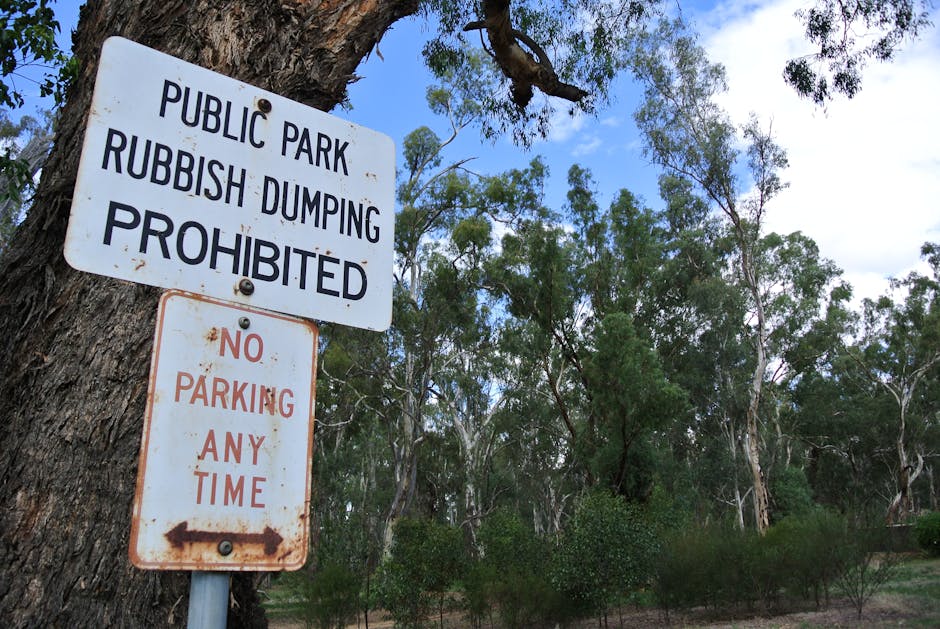
Horniman Museum area responsible rubbish disposal and rules: a practical local guide
If you live, work, or manage a property near the Horniman Museum, rubbish can become a surprisingly tricky subject. One bag too many on the pavement, a badly timed set-out, or the wrong item in the wrong container can cause hassle fast. This guide to Horniman Museum area responsible rubbish disposal and rules explains how to handle waste sensibly, what "responsible" really means in practice, and how to stay on the right side of local expectations without making your day more complicated than it needs to be.
We'll cover the everyday rules that matter, the common mistakes people make, and the practical steps that keep things tidy, safe, and complaint-free. You'll also find a simple checklist, a comparison table, and a few real-world examples from the kind of situations people run into around busy London spots like this. Let's face it, rubbish is never glamorous. But when it's handled well, nobody notices. And that's usually the goal.
- Why this matters
- How responsible disposal works
- Key benefits and practical advantages
- Who needs this and when it makes sense
- Step-by-step guidance
- Expert tips for better results
- Common mistakes to avoid
- Tools, resources and recommendations
- Law, compliance and best practice
- Options, methods and comparison
- Case study or real-world example
- Practical checklist
- Conclusion
- Frequently asked questions
Why Horniman Museum area responsible rubbish disposal and rules Matters
The Horniman Museum area sits in a part of London where pedestrians, visitors, residents, and local businesses all share limited space. That makes rubbish management more than a housekeeping job. It becomes part of how the neighbourhood feels, how safe the streets are, and how smoothly properties operate day to day.
When waste is left out too early, mixed incorrectly, or placed where it blocks walkways, the effects are immediate. You may get mess, smells, pests, upset neighbours, or a collection issue that turns into a bigger administrative headache. In a busy visitor area, the visual impact matters too. A stray sofa, broken cardboard, or overloaded bag can make a small frontage look neglected in minutes.
Responsible disposal also matters because different waste types need different handling. General rubbish, bulky items, garden cuttings, electricals, and construction debris are not the same thing, even if they all end up as "stuff you want gone". Some items can be recycled, some need special handling, and some should never go into normal mixed rubbish at all. For homes, landlords, offices, cafes, and small works projects, getting this right protects everyone involved.
Practical takeaway: the safest approach is simple: sort waste properly, keep it contained, remove it on time, and use the right route for anything bulky, hazardous, or unusual. That sounds obvious, but honestly, most problems start when one of those four things gets skipped.
How Horniman Museum area responsible rubbish disposal and rules Works
In practice, responsible rubbish disposal around the Horniman Museum area means following a few overlapping layers of rules and common sense. Some are set by local collection arrangements. Others come from building management, tenancy agreements, business waste duties, or standard public-safety expectations. A few are just the everyday realities of living in a dense part of South East London.
Here is the basic logic:
- Identify the waste type. Start by separating household rubbish, recycling, food waste, bulky items, electricals, and anything potentially hazardous.
- Use the correct container or disposal route. Normal bags, recycling bins, and designated collection points are for ordinary waste only. Bulky or awkward items usually need a separate solution.
- Set waste out at the right time. Waste left outside too early can create obstruction, attract attention, and cause avoidable mess.
- Keep access clear. Collections need safe access for crews, pedestrians, and building occupants. Front steps, narrow paths, and shared entrances all matter.
- Make sure items are accepted. Not everything can go in a skip or mixed waste load. A quick check before disposal can save a lot of grief.
For one-off clearances, many people use a professional waste removal service rather than trying to tackle multiple trips themselves. That's especially common after moving out, refurbishing a flat, clearing a garden, or emptying an office storage room. If you are comparing disposal routes, it can help to look at a focused service such as general waste removal support or a more specific option like house clearance when the job is larger and more varied.
There is also a practical difference between "I need this gone" and "I need this gone properly". The second one is what responsible disposal is really about. It covers sorting, handling, transport, recycling where possible, and lawful disposal of the rest.
Key Benefits and Practical Advantages
People sometimes think rubbish rules are only about avoiding fines. That is part of it, but the real-world advantages are broader.
- Cleaner streets and entrances: A tidy frontage is better for residents, visitors, and customers.
- Less pest risk: Food waste and loosely bagged rubbish are obvious attractants.
- Fewer neighbour disputes: Nobody enjoys walking past someone else's overloaded bin bags every morning.
- Better recycling outcomes: Separating materials properly makes it easier for useful items to be recovered.
- Safer access: Clear paths reduce trip hazards and awkward lifting situations.
- Less stress on collection day: If everything is organised, collection is quicker and smoother. Simple, but effective.
There is also a quieter benefit: confidence. When you know your waste is being handled correctly, you don't have to keep looking over your shoulder wondering whether the setup is wrong. That matters more than people admit, especially for landlords, office managers, and busy households trying to keep on top of too much at once.
If you are dealing with mixed items, it may help to separate out furniture or appliance disposal before collection day. For example, a damaged table, an old wardrobe, and a broken microwave are not all treated the same way. Services such as furniture disposal and fridge and appliance removal can be more appropriate than trying to treat everything as ordinary rubbish.
Who This Is For and When It Makes Sense
This topic matters to more people than you might expect. Near the Horniman Museum, it can apply to:
- Residents in flats, maisonettes, and houses with limited storage space
- Landlords and letting agents dealing with end-of-tenancy waste
- Local businesses that generate packaging, office waste, or customer-facing rubbish
- Builders and decorators handling light refurbishment waste
- Garden owners with seasonal cuttings, soil, branches, and old outdoor items
- Householders clearing bulky items after a move, sale, or family change
It makes sense to pay closer attention when waste volume is rising, when items are awkward or heavy, or when you are sharing bins with others. A flat clearance after a tenant moves out is a classic example. So is a shop or office where cardboard and packaging keep piling up behind the door until it starts to look like a small warehouse. Not ideal.
For business premises, there is usually a stronger duty to stay organised because waste affects staff, customers, and neighbours. In that context, a structured service such as business waste removal can be a far better fit than ad hoc trips to a bin store. Offices in particular often need a cleaner, more predictable setup, which is why office clearance can be useful during relocations or reorganisations.
Step-by-Step Guidance
If you want a straightforward way to manage waste responsibly near the Horniman Museum, use this process.
- Walk the space first. Look at what is actually there: bags, cardboard, bulky waste, food waste, broken items, or mixed clutter. A quick visual check avoids missed items later.
- Sort by category. Put recycling aside, separate bulky goods, and isolate anything that could be hazardous or sharp.
- Check what can go where. Some items are fine for standard collection, while others need special disposal. This is where confusion usually starts.
- Flatten and bundle where sensible. Cardboard should be broken down. Loose items should be contained so they don't blow around on a windy morning.
- Keep the set-out neat. If waste must be placed outside for collection, make sure it is not blocking gates, footpaths, or shared access.
- Use a specialist route for awkward waste. Furniture, appliances, and building waste are often easiest handled separately.
- Confirm completion. After collection, check the area for stray fixings, broken pieces, and packaging. It's the small leftovers that cause accidents.
For people handling renovation debris or heavy DIY offcuts, the right answer may be a dedicated clearance rather than general rubbish collection. That is where a page like builders waste clearance becomes relevant. It is especially useful if you have plasterboard, timber, tiles, or mixed rubble. And yes, a little planning here saves a lot of awkward lifting later.
If the waste includes items from around the home more broadly, home clearance or flat clearance may be the more practical option. For lofts, garages, and storage-heavy spaces, the same logic applies. You don't need to overcomplicate it, but you do need a plan.
Expert Tips for Better Results
From experience, the best waste jobs are the ones that look boring. Neat, tidy, predictable. Nothing dramatic. A few small habits make a huge difference.
- Use a "one-touch" system: Pick items up once and put them in the correct place straight away. Don't create a second pile of "sort later". Later rarely arrives.
- Keep a separate area for questionable items: If you are unsure whether something is recyclable, reusable, or special waste, isolate it first.
- Book collection before the pile grows: Waiting until waste becomes a tower in the hallway is how good intentions become chaos.
- Protect shared spaces: In flats and mixed-use buildings, cover sharp edges and avoid dragging items through communal areas.
- Think about timing: Morning collections, quiet periods, and building access windows make life easier for everyone.
- Check for hidden waste inside items: Cabinets, drawers, and boxes often contain old batteries, paperwork, or small loose rubbish. Very common. Very annoying.
A useful rule of thumb is this: if an item is heavy, awkward, smelly, dusty, or likely to break when moved, treat it as something worth planning around rather than something to "just deal with". That one decision can save your back and your weekend.
For sensitive paperwork or mixed office material, a service like confidential shredding may be more appropriate than normal disposal. If you are sorting seasonal outdoor waste, garden clearance can help with cuttings, old pots, and outdoor clutter. Different mess, same principle: match the method to the material.
Common Mistakes to Avoid
Most rubbish problems near busy London landmarks come from a handful of predictable errors.
- Mixing everything together: This makes recycling harder and can lead to rejected loads.
- Leaving waste out too early: It looks untidy and can become a trip hazard or weather problem.
- Ignoring bulky or specialist items: Mattresses, appliances, and old furniture need proper handling.
- Overfilling bags or containers: Overweight waste is unsafe to move and can split open at the worst moment.
- Blocking access routes: Even a small obstruction can cause a knock-on problem for residents or visitors.
- Assuming all waste services accept the same items: They do not. Never a safe guess.
One of the easiest mistakes to miss is contamination. A few food scraps in the wrong bin, paint residue on a container, or wet garden waste mixed into general rubbish can change how a load has to be processed. That doesn't mean you need to become obsessive. Just attentive. There's a difference.
If you are clearing bulky soft furnishings, it helps to check options like mattress and sofa disposal. Sofas and mattresses are common troublemakers because they are large, awkward, and not especially pleasant to move at the best of times.
Tools, Resources and Recommendations
You do not need a van full of equipment to manage rubbish well, but a few practical tools make the job easier.
| Tool or resource | What it helps with | Why it matters |
|---|---|---|
| Heavy-duty sacks | Containing mixed general waste | Reduces spills and keeps bags manageable |
| Gloves and basic PPE | Handling sharp or dirty items | Protects hands during sorting and loading |
| Labels or marker pens | Separating items by type | Makes collection day smoother |
| Tape and covers | Securing loose parts | Stops items snagging or shedding debris |
| Measured booking information | Describing load size accurately | Helps avoid wrong vehicle size or awkward delays |
For many households, the most useful "resource" is actually a clear decision about what not to do. Don't leave difficult waste in a corner hoping it will vanish by magic. It rarely does, unless you count dust, and dust is not a disposal strategy.
If your waste includes larger household items, furniture clearance may suit a one-off clear-out better than multiple trips. For appliances, use fridge and appliance removal so that electricals and bulky goods are handled properly. If you are planning a full property reset, loft clearance or garage clearance can be a much cleaner way to tackle the lot in one go.
Law, Compliance, Standards, or Best Practice
Without getting overly legal about it, waste handling in the UK is governed by a mix of legal duty, common-sense safety, and environmental best practice. The exact rules you face depend on whether the waste is household, commercial, or construction-related, and whether anything in the load is hazardous or special category waste.
The safest general principles are:
- Do not place waste where it creates danger or obstruction.
- Use responsible carriers and disposal routes.
- Separate hazardous items from ordinary rubbish.
- Keep waste contained until collection or removal.
- Follow building, tenancy, and local collection rules where they apply.
For businesses, keeping waste records and using a proper service is part of good housekeeping, even when the amounts are modest. For homes, the issue is often less paperwork and more practicality. Still, the principle is the same: don't guess with items that could be risky or restricted.
It is also sensible to think about environmental standards in a broad sense. Responsible disposal is not only about throwing things away correctly; it is about recovery, reuse, and reducing what ends up as residual waste. If that matters to you, services with a clear recycling focus are worth a look, including recycling and sustainability. Not everything can be saved, but quite a lot can be diverted if it is handled properly.
Options, Methods, or Comparison Table
There are usually several ways to deal with rubbish near the Horniman Museum area. Which one makes sense depends on volume, urgency, item type, and how much lifting you want to do yourself. Which, to be fair, is often the deciding factor.
| Method | Best for | Strengths | Limitations |
|---|---|---|---|
| Normal bin collection | Routine household waste | Simple and familiar | Limited capacity; not suitable for bulky items |
| Recycling separation | Paper, cardboard, some packaging | Better environmental outcome | Needs correct sorting and clean material |
| Self-transport to disposal point | Small loads and flexible schedules | Can be practical for minor clear-outs | Time-consuming; requires transport and lifting |
| Professional waste removal | Mixed, bulky, or time-sensitive waste | Fast, organised, less lifting | Usually the most convenient paid option |
| Specialist disposal | Hazardous, electrical, or sensitive items | Safer handling and better compliance | Must match the item to the right service |
In many real-life situations, people use a mix of methods. A flat clear-out might involve regular recycling for paperwork, a separate route for furniture, and a specialist service for an old appliance. That is normal. In fact, it is often the smartest approach.
Case Study or Real-World Example
Here is a realistic example based on the kind of job that comes up around this part of London.
A small flat a short walk from the Horniman area is being emptied before a new tenancy. The hallway is narrow, the lift is tiny, and the tenants have left behind a mix of cardboard boxes, a broken bedside table, a mattress, and a couple of bags of mixed household rubbish. There is also an old printer in a cupboard and some loose cleaning products under the sink.
If someone tries to solve this by dragging everything to the pavement in one go, the result is usually messy. Bags split. The mattress gets in the way. The printer ends up mixed with general waste. Someone complains. It becomes the sort of day people remember for all the wrong reasons.
A better approach is more orderly:
- Separate household rubbish from bulky items
- Keep cleaning products aside for careful handling
- Remove the electrical item as a separate load
- Arrange the mattress and table as specific bulky waste
- Check communal access is kept clear throughout
That process takes a little thought, but it avoids damage, saves time, and keeps everyone calmer. You can almost hear the difference. Less banging, less dragging, less muttering in the hallway. And yes, that matters.
For this type of clear-out, a combined approach using house clearance and targeted specialist services is usually more efficient than trying to treat everything as one generic rubbish pile.
Practical Checklist
Use this checklist before any disposal or collection around the Horniman Museum area.
- Have I identified every item that needs removing?
- Have I separated general waste, recycling, bulky items, and anything hazardous?
- Are bags sealed and not overfilled?
- Are routes, entrances, and shared areas clear?
- Have I checked whether any item needs specialist handling?
- Is the collection or removal timing appropriate for the building and neighbours?
- Have I removed hidden items from drawers, cupboards, and boxes?
- Is everything stable, safe, and easy to move?
- Have I avoided placing waste where it could obstruct pedestrians?
- Do I know what happens to the waste after it leaves the property?
Expert summary: Responsible rubbish disposal is really about three things: sort well, set out safely, and choose the right disposal route. If you do those consistently, most of the stress disappears before it starts.
Conclusion
Horniman Museum area responsible rubbish disposal and rules are less about bureaucracy and more about living well in a shared urban space. When rubbish is handled properly, the area stays cleaner, access remains safe, and everyone-from residents to visitors-gets a better experience. That is the real point.
Whether you are managing a single bulky item, a household clear-out, a garden tidy-up, or a small business waste problem, the basics stay the same: know what you have, separate it sensibly, and use the right disposal route. Keep it tidy. Keep it safe. Keep it moving.
If you are dealing with awkward, heavy, or mixed waste and want a simpler route, it may be worth speaking with a professional team that understands local clearance needs and responsible disposal standards.
Get a free quote today and see how much you can save.
Frequently Asked Questions
What does responsible rubbish disposal mean near the Horniman Museum?
It means sorting waste properly, keeping shared spaces clear, following collection rules, and using the right disposal route for bulky, hazardous, or unusual items.
Can I leave rubbish outside my property the night before collection?
Only if that arrangement is allowed and it won't create an obstruction or mess. In many cases, leaving waste out too early is a bad idea because of wind, animals, rain, and access issues.
What should I do with bulky furniture in the Horniman area?
Use a dedicated bulky waste or furniture disposal route rather than trying to squeeze it into normal rubbish. For larger clear-outs, furniture clearance is often the neatest option.
Are fridges and other appliances treated as normal rubbish?
No. Electricals and appliances usually need separate handling. Fridge and appliance removal is a safer and more appropriate route.
What is the best option for mixed household waste after a move?
For mixed items, a house clearance or flat clearance can be more efficient than trying to manage several disposal methods on your own.
Can garden waste go in general rubbish bags?
Sometimes small amounts can, but larger volumes are better handled through garden clearance. Branches, soil, and cuttings can become heavy and messy fast.
What if I have construction waste from a small DIY project?
DIY waste is often better handled through builders waste clearance, especially if it includes timber, rubble, plasterboard, or sharp offcuts.
How do I know whether an item is hazardous?
If it contains chemicals, sharp residues, pressurised contents, oils, or unknown liquids, treat it cautiously and do not mix it with ordinary waste. When in doubt, keep it separate and ask for specialist guidance.
Is recycling worth the effort for small amounts of waste?
Yes. Even small amounts of cardboard, paper, and reusable material add up. It also makes final disposal cleaner and more efficient.
What is the biggest mistake people make with rubbish rules?
The most common mistake is assuming all waste can be handled the same way. It can't. Different materials need different treatment, and that is where most problems begin.
Do businesses in the Horniman area need a different waste approach from homes?
Usually, yes. Businesses often generate more consistent waste and need more predictable removal. Business waste removal is a better fit for many commercial settings.
How can I make a clearance less stressful?
Sort early, keep items grouped by type, avoid overfilling bags, and book the right service before the pile becomes overwhelming. A little planning saves a lot of shouting at boxes. Which is nice for everyone.
For more about the company behind these services, you can also explore the about us page, or if you are ready to arrange a job, use the online booking option. If you want to check service expectations, the terms and conditions and insurance and safety information are also worth a look. And if anything is still unclear, the team's contact page is there for straightforward enquiries.