Commercial Waste Removal in Honor Oak

Commercial waste removal in Honor Oak should be straightforward, discreet and organised around the way your business actually works. We provide collections for everyday trade rubbish, mixed office waste, recyclable materials and bulkier items that need careful handling, so you can keep your premises clear without turning waste into a standing problem. The aim is simple: remove what is no longer needed, separate material sensibly and keep the process practical for shops, offices, workshops and other local premises.
Our service covers recurring commercial waste removal as well as one-off clearances when storage areas, back rooms or customer-facing spaces need a reset. That can include bagged rubbish, cardboard, packaging, old office fittings, broken equipment and other non-hazardous business waste that has built up over time. Commercial waste is rarely one-size-fits-all, so the collection should suit the volume, access and type of material rather than force you into a rigid pattern. If you need a clear starting point, you can request a quotation and describe the sort of waste you want moved.
For businesses that prefer to plan around operations, we can shape the collection around opening hours, loading access and the nature of the items to be taken. Pricing and quotes may help you understand the practical factors that influence a commercial collection, while a plain enquiry remains enough to begin. If you are comparing options for an ongoing arrangement or a single clearance, keep the details focused on the waste itself: what it is, how much there is and where it is stored. That makes it easier to match the service to the job.
Everyday business waste streams
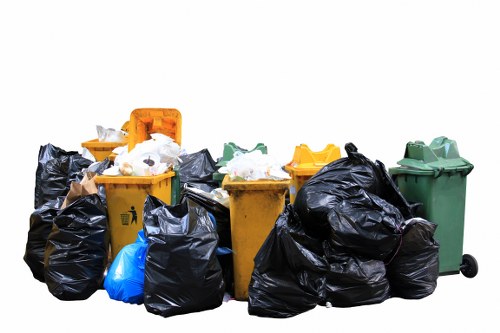
Many commercial collections start with routine waste that accumulates quietly until it interrupts daily work. Paper, mixed packaging, unwanted stock wrappers, broken small items and office bag waste can all create clutter if they are not removed at the right time. We handle practical clearances for these common streams with an emphasis on keeping the waste movement orderly, so the collection supports your working day rather than disturbing it. In many cases, the useful outcome is simply a cleaner back area and less pressure on internal storage.
Where businesses produce different types of non-hazardous waste, separating materials before collection can make the job more efficient. Cardboard, general rubbish and reusable or recyclable items often need a slightly different approach, especially if they are stored in separate rooms or across several floors. A short description of access, lift use, stairs, loading points and the approximate quantity can help shape the collection. If you want to explore the service in a broader sense, you can read about business waste removal and decide whether a one-off or repeating arrangement is more suitable.
Typical commercial waste requests can include:
- bagged office or back-room rubbish
- cardboard and packaging left after deliveries
- obsolete files, folders and miscellaneous paper waste
- lightweight shop, studio or workshop clutter
- non-hazardous items from storage rooms and shelving
Office clearances and workspace changes
Office collections usually involve more than simple bin-emptying. Desks, chairs, shelving, filing material, monitors, peripherals and packaging can all accumulate when staff numbers change, layouts are updated or storage areas need reorganisation. We provide office clearance support that is intended to help you remove these items methodically, so the work can be completed with less disruption to the workspace. The main emphasis is on practical clearance rather than unnecessary handling.
Some office jobs are best approached in stages, particularly where items are spread across multiple rooms or floors. Separating reusable furniture from general rubbish and electronics from ordinary waste can help the collection proceed cleanly. If you need broader support beyond the immediate room clear-out, related pages such as office clearance and confidential shredding may be useful, especially where paperwork or archived material needs a careful approach. Not every office move needs a full relocation service; sometimes the right answer is simply to remove the surplus items that no longer serve the workspace.
Before a collection, it helps to note any access constraints, whether the items are mixed or already grouped, and whether any furniture needs to be dismantled first. Keep the explanation factual and brief. That is usually enough to help shape an efficient quotation and avoids overcomplicating the arrangement. If the job includes old workstations, storage units or chairs, you can ask for a clear commercial waste removal plan that matches the pace of the office rather than disrupting it unnecessarily.
Furniture, fixtures and bulky items
Commercial premises often need bulky item removal when furniture reaches the end of its useful life or a layout change leaves surplus pieces in storage. Chairs, desks, shelving units, cabinets and reception furniture can take up valuable room even when they are no longer fit for everyday use. We handle practical furniture removal as part of commercial waste work, with attention to carrying routes, item size and the safest way to move heavier pieces out of the building.
Where items are still serviceable, businesses sometimes choose to separate them from general rubbish before collection. Others simply want the room cleared and the waste taken away in one organised visit. The right approach depends on the items, their condition and the access available. If your clearance includes a mix of loose waste and bulky furniture, a helpful description will usually mention which pieces need lifting, whether they are assembled, and whether there are any narrow passages or stairs to consider. For related material, furniture clearance and furniture disposal explain the kind of work that can be included.
When a bulky-item collection is planned well, the result is easier to manage than a rushed clear-out. That is particularly true in trade spaces where stock, fittings and furniture all compete for room. Good preparation is about clarity, not perfection: simply identifying what needs to go, what stays and how it is stored is usually enough. If you want to move ahead, ask for a quotation with a short note about the furniture involved.
Site clearances for garages, lofts and storage areas
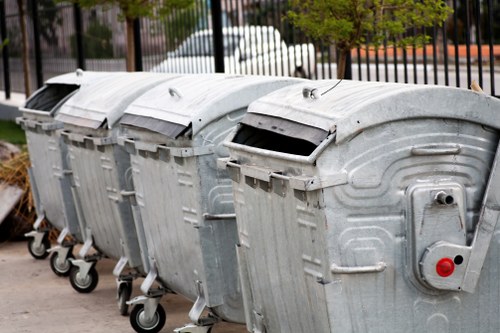
Commercial waste removal is often needed in places that are not customer-facing at all. Garages, lofts, cupboards, plant rooms and back-of-house storage areas can collect obsolete stock, broken equipment and discarded packaging until they become awkward to use. We can clear these spaces so that the usable area is returned to business purposes rather than remaining blocked by items that no longer have a role on site.
These spaces often contain a mixture of object sizes and waste types, which is why a careful sort through the material can be useful before the collection. A loft may hold lightweight but awkward items; a garage may contain heavier stored goods; a locked cupboard may hide old files or mixed rubbish. If the aim is to restore access rather than overhaul the whole site, the work can be kept tightly focused on the specific area. Related service pages such as garage clearance and loft clearance show how these clearances are commonly approached.
For many businesses, the value of a storage-area clearance is that it improves access without disturbing the rest of the premises. That can matter where stock needs to be reached regularly or where old items have begun to interfere with routine movement. If there are several categories of waste in the room, list them in plain language. Clarity helps the collection stay efficient, and it makes it easier to decide whether any items need to be grouped separately before removal. Please contact us to request a quotation if you would like this sort of clearance arranged.
Bulky household-style waste within business premises
Some commercial addresses generate waste that resembles domestic clearance work, particularly where premises include staff kitchens, mixed-use rooms, upper-floor storage or longer-term accommodation spaces attached to a business. In those cases, the collection may involve general clutter, old soft furnishings, small appliances or mixed items that are no longer needed. We handle that material as part of commercial waste removal when it is tied to the operation of the premises and needs organised removal.
It is useful to distinguish this from ordinary office rubbish because the work often involves different objects and a different carrying pattern. Soft furnishings, loose storage items and larger miscellaneous pieces may need separate attention from paperwork or packaging. Where suitable, the relevant service pages include house clearance, home clearance and flat clearance; these pages can help explain the scale and style of clearance involved when a business premises contains domestic-type waste. The key point is to match the removal method to the items, not to force everything into a single waste category.
If you are arranging a clearance from a mixed-use building, it is sensible to identify which rooms contain the waste, whether the items are bagged or loose, and whether there are any restrictions on access or parking. That keeps the quotation grounded in the actual job and avoids misunderstandings later on. One clear description is better than a long list of guesses, especially where the clearance includes a mix of furniture and general waste.
About Honor Oak
Honor Oak is a district in the London Borough of Lewisham, with parts also extending into neighbouring areas of southeast London. The name is associated with the historic Oak of Honor, a tree remembered through local place names and the development of the area over time. In modern terms, Honor Oak is commonly identified with a residential neighbourhood around Honor Oak Park and its rail station, set within a wider urban landscape of terraces, local shops and routes linking nearby districts. The area sits close to the edge of the green corridor formed by One Tree Hill and other stretches of open land, giving it a distinct mix of built-up streets and access to elevated views. Much of the nearby housing reflects late Victorian and Edwardian suburban growth, with later infill adding to the street pattern. The district also benefits from practical connections to surrounding parts of south London, which has helped shape its everyday character as a lived-in neighbourhood rather than a single uniform centre. Local life tends to revolve around smaller commercial strips, community spaces and the routine movement between residential streets, parks and transport links, giving Honor Oak a layered identity that combines history, greenery and ordinary urban activity.
Hazard awareness and restricted waste

Not every item can be treated as ordinary commercial rubbish. Some materials require a separate conversation because they may be unsafe, regulated or unsuitable for standard collection. That can include substances, sharp waste, contaminated material or equipment that needs specialist handling. We do not pretend that every clearance is the same; the right method depends on what is actually present. If the waste is restricted, the sensible first step is to identify it accurately before arranging the collection.
For businesses, this distinction matters because mixed waste can hide a smaller quantity of problematic items. Old containers, residues, damaged fittings or equipment from workshops and stores may need to be assessed before they are bundled together with general rubbish. The relevant pages can help you understand the boundaries of the service, especially hazardous waste disposal and health and safety policy. Those pages are not a substitute for describing the actual waste, but they can be a useful guide to the type of material that should be discussed early.
When in doubt, keep the enquiry factual and avoid mixing ordinary waste with anything potentially restricted unless you can explain both clearly. That approach is better for planning, for access and for the quotation itself. Accuracy is more useful than assumptions, especially where the material may need to be separated before removal. If there is any uncertainty, request a quotation and describe the item type as precisely as you can.
Recycling, disposal and responsible sorting
A well-run commercial collection should make sensible decisions about what can be separated from general waste. Cardboard, metal items, selected furniture components and some electrical goods may need different treatment from bagged rubbish or mixed debris. We approach the work with that practical sorting in mind, so recyclable material does not simply become part of an undifferentiated load when there is a clearer option available. This is especially helpful for businesses that generate regular packaging waste alongside other unwanted items.
Disposal is not only about moving things out of the building; it is also about matching material to the right route where possible. That is why businesses often ask about the shape of the load, the type of items involved and whether anything needs to be handled separately. If you want more background on the general approach, recycling and sustainability explains the sort of choices that can be made around common commercial waste streams. The more accurate the description, the easier it is to plan the right method of removal.
For many customers, the practical question is whether the load contains a straightforward mix of rubbish or a more structured set of items that ought to be grouped. That distinction affects loading, sorting and the order in which the work is completed. It can also affect how much time is needed on site. If you are comparing a few possible arrangements, keep the list of items short and specific, and ask for a quotation that reflects the actual contents rather than an estimate based on guesswork.
Planning a collection around access and timing
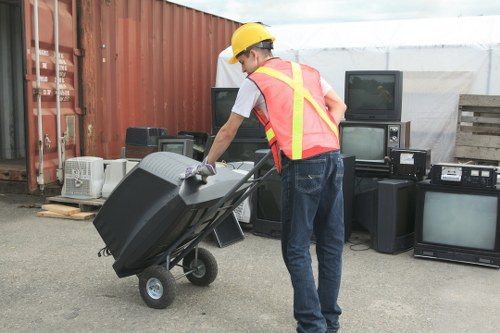
Many commercial waste jobs are easier when the practical details are set out early. Access, floor level, lift use, loading restrictions and the storage position of the waste all affect how the removal is carried out. A clear note about those points helps avoid delays and makes it simpler to match the collection to the premises. This is particularly useful where the items are spread between rooms or need to be carried through shared areas.
A concise enquiry is usually best. Tell us what type of waste you have, where it is located and whether anything is especially bulky or awkward to move. If the job involves recurring clearances, mention whether the waste appears weekly, monthly or only at certain times of year. You can also review book online if you prefer a direct starting point, while contact us remains the most practical next step when you are ready to discuss a quotation for commercial waste removal in Honor Oak.
We can keep the process simple from the start: identify the waste, note the access and choose the collection style that suits your premises. If you are ready to move forward, request a quotation today and send a brief description of the items you want removed.